
An Interview with Daniel Miller
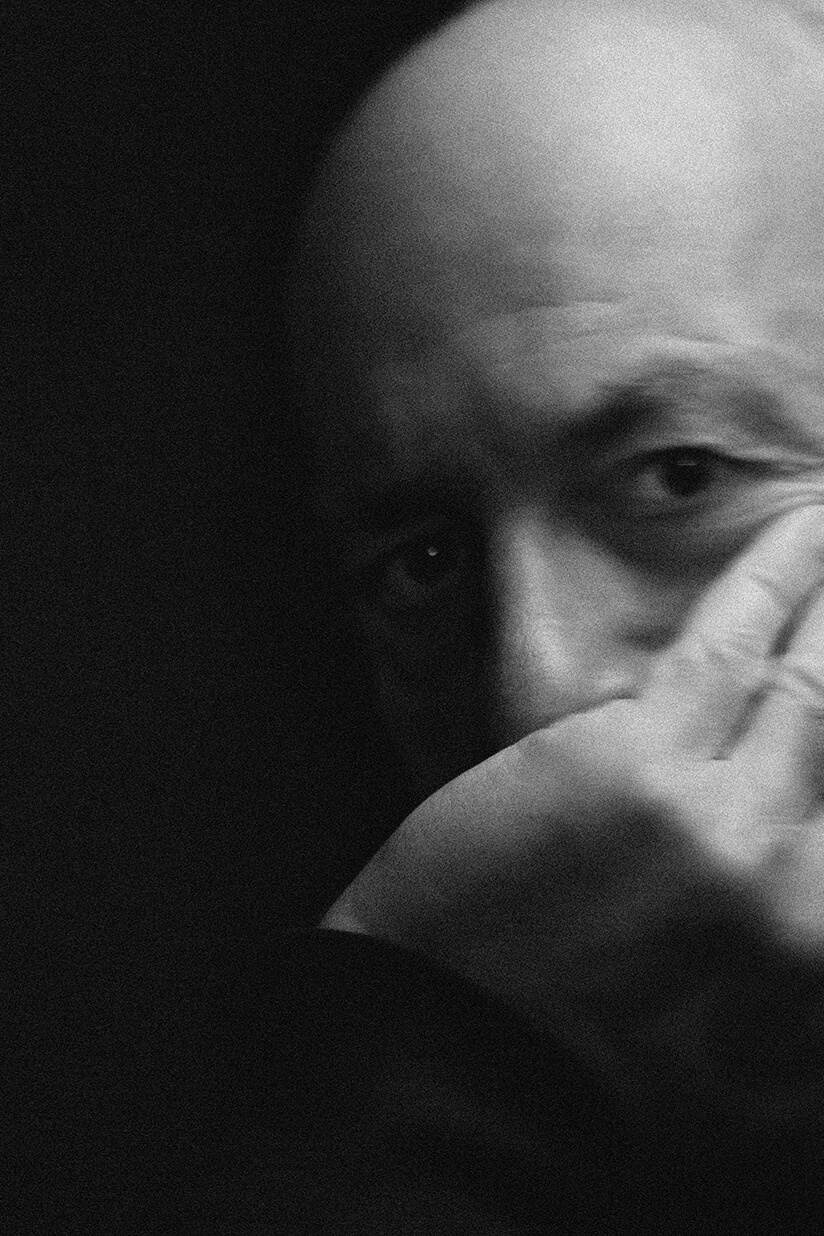
For our third interview, I spoke with Daniel Miller, founder and CEO of Mute Records, and a seminal figure in early English synth-pop.
Simon Bonney: Daniel, thank you for joining us for this Miller–Zillmer Foundation series on censorship and art. Do you have a view on freedom of speech and censorship?
Daniel Miller: In general terms, I’m totally in favour of freedom of speech, as long as people understand the consequences and are prepared to take them. The problem is, those consequences might express themselves as being anti–freedom of speech.
That said, I don’t like the idea of people speaking in a way that expresses hatred, and I do support hate-speech laws. Subject to that caveat, I think people should be free to express their views as long as they are prepared to accept the consequences, whatever they are.
If, for example, I was at university and a Holocaust denier was asked to speak, I would, as a Jew, be extremely offended by their views, but I’d want to have the opportunity to debate them. I would find it difficult, you know, painful, but to not give me the opportunity or other people the opportunity to debate and critique him or her, I think that’s the wrong way round, to just ban people all the time and take them out of the conversation. However much you think they're wrong, when they have a voice in the community somewhere, it's very important to debate them.
Simon Bonney: In today’s world, the idea of good-faith debate seems diminished. One of the key tenets of freedom of speech is the ability to engage with what people think. Better that these views are expressed than forced underground through censorship, where they may harden into unexamined social problems.
Political interviews today can feel performative. The appearance of debate remains, but meaningful engagement is often absent.
Daniel Miller: There are still some good debate programs on the TV in the UK, like Question Time and Intelligence Square, and they do pick panellists with views that you don’t usually get in the mainstream. But of course, they're all trying to score points, perhaps more so than trying to have a good debate.
Simon Bonney: I’m interested in how you approach freedom of speech as the head of a private company. While you may be answerable only to yourself, how does that play out in practice at Mute Records?
Daniel Miller: Ultimately, I am answerable to myself, but I don’t think in those terms. I have artists and staff, and I feel a responsibility to them.
Simon Bonney: If an artist presents material that is controversial and likely to provoke backlash, is there a trade-off between your commitment to freedom of speech and your responsibility to the organisation?
Daniel Miller: There have been releases that some staff felt uncomfortable with, which made me uncomfortable as well. But generally, after internal discussion, we did release them, and there were no negative consequences. It’s a fine line, though. I have a responsibility to my staff, and the risks seem to increase over time.
Simon Bonney: Have there been instances where you decided not to release material due to the risks involved?
Daniel Miller: On a couple of occasions, I’ve told an artist that I thought the material could pose a danger to my staff, and that Mute couldn’t release it. I offered to help them release it elsewhere. But that has only happened twice in forty years.
Simon Bonney: Should the personal behaviour of artists affect how audiences engage with their work?
Daniel Miller: It’s a very personal decision. There are a million flawed geniuses. I wouldn't say the characteristic is genius, but you know, geniuses have flaws. Artists have flaws. They're human beings that have flaws, and sometimes they do things which are very bad, but does that make their art invalid? I think it's a very personal-choice decision, you know, it's a conversation.


Join the conversation
If you have thoughts about this project or would like to share feedback, send us your name and comments at: