Freedom of expression, cencorship & the arts

Artwork by →
Simon Bonney
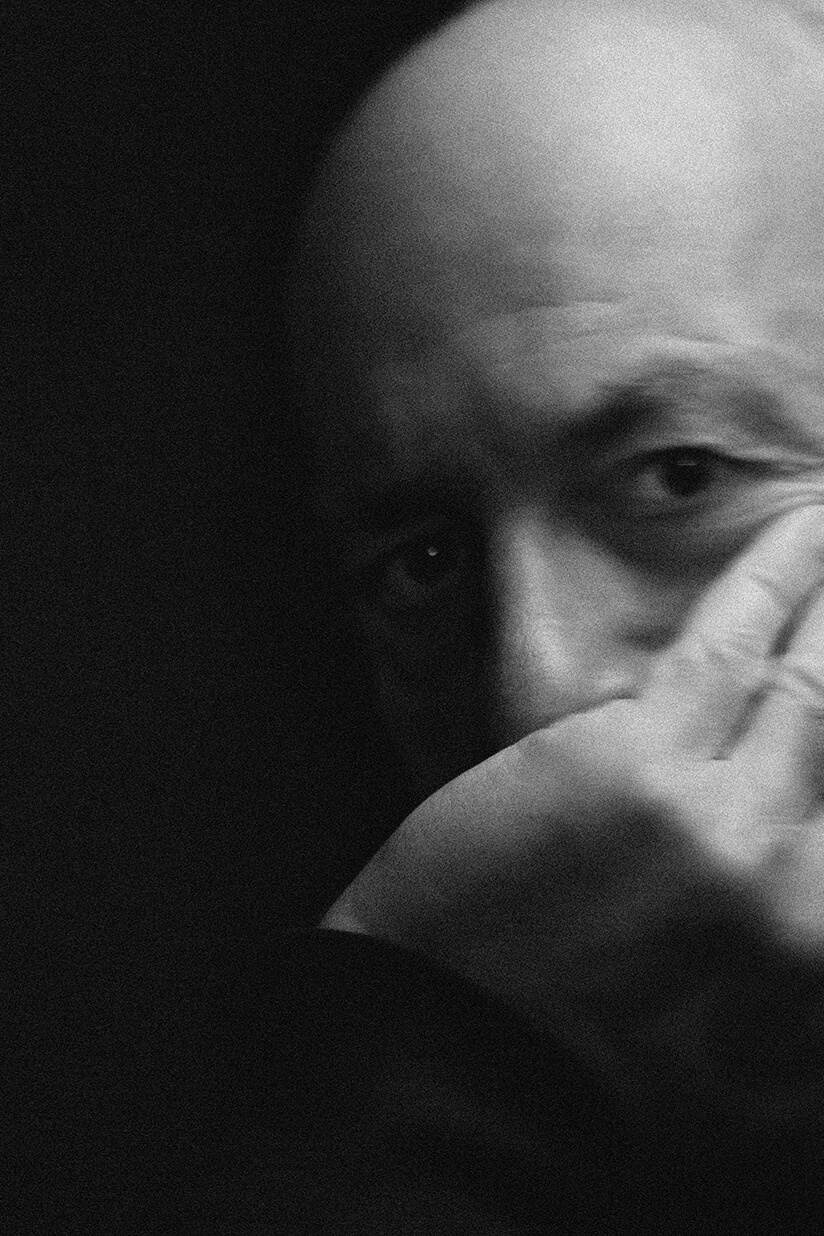
Artwork by →
Diáne Zillmer

Artwork by →
Simon Bonney
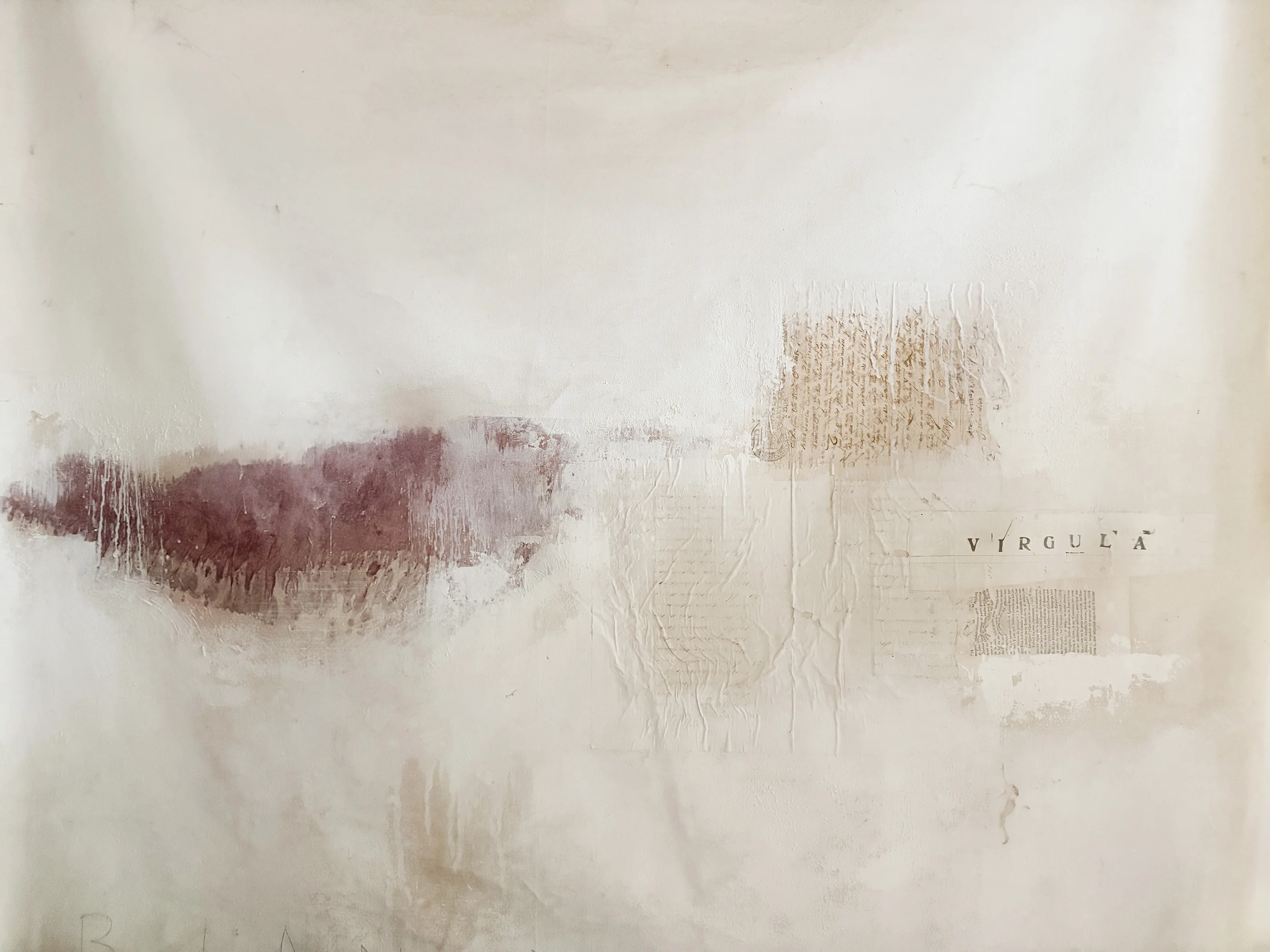
Artwork by →
Blanca Orozco
In these times of extreme polarisation and heated social media driven battles to control public narratives, the arts are a go-to target, attacked both from without and from within. In such an environment, it is important to defend the right of artistic freedom, to embrace the critical role that art has in driving public conversation. In our culture, the arts have long been used as a vehicle to explore unpopular, controversial and transgressive ideas: one of its chief roles has been to challenge, to question, to be thought provoking. But that right is not absolute, and the purpose of this project is to explore the limits of that freedom, to look at the arts’ role in furthering the democratic goal of a free and open marketplace of ideas. To do so, we are using recorded, semi-structured, collegial conversations between artists about their process and, particularly, the consideration they give to the effect of their art on public discourse and the limits and responsibilities, if any, that they impose upon themselves.
The Miller-Zillmer Foundation commissioned the musician and writer, Simon Bonney, to develop together with the Foundation a project on the effects of censorship (both state and non-state) on artists in the 21st century.
A central pillar of the project will be a series of conversational interviews with artists, journalists, and media industry professionals, the aim of which will be to unpack the effect of actual or potential censorship (including criminal prosecution) on their art and writings and to look at ways that artists can mitigate these risks (in whatever form) while maintaining their freedom of expression.
The project also aims to nurture the development of a safe and supportive multi-disciplinary forum for artists and writers to meet and exchange ideas with each other about censorship issues.
As a musician with the band Crime & the City Solution and as a solo artist, Simon continues to explore his interest in the foibles of power and in giving voice to the everyday experiences of those who must live under power’s thumb. His ambivalent relationship with art led him to abandon it for nearly three decades, in favour of university and then government service, mainly in the area of anti-corruption and good governance in fragile democracies in the Indo-Pacific region. Now he is back, to explore art’s role in giving voice to dissident and marginalised voices, voices that are too often excluded from the national conversation.
Perspectives on artistic expression
A series of essays and conversations with artists, journalists, and media industry professionals exploring censorship, creative responsibility, and the role of art in sustaining a free and open marketplace of ideas.
Voices on art & responsibility
Selected reflections from the project’s conversations on censorship, artistic practice, and the responsibilities that accompany freedom of expression.
Join the conversation
If you have thoughts about this project or would like to share feedback, send us your name and comments at: